Why Domestic Air Quietly Threatens Antique Bindings
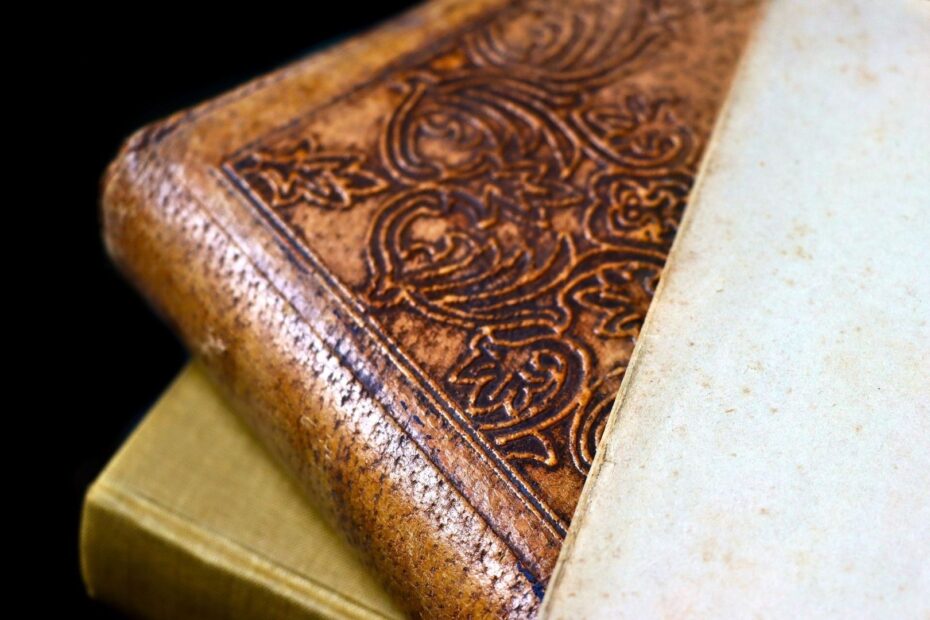
A home library has a particular quiet charm: rows of familiar spines, the softened surface of old cloth, and leather that has acquired depth through decades of handling. Yet these organic materials remain responsive to the air around them. A binding can look perfectly sound while its fibres, adhesives, sewing supports, and covering materials are slowly reacting to invisible changes in moisture.
Relative humidity matters because paper, leather, cloth, paste, and board absorb and release water vapour. When indoor humidity rises, these components swell. When the air dries, they contract. Repeated movement can loosen joints, distort boards, stress sewing, and encourage mould. The good news is that collectors in temperate or damp regions do not need a museum vault. A stable room, sensible shelving, passive monitoring, and timely intervention can provide a remarkably effective domestic preservation environment.
The Anatomy of Moisture Damage in Leather and Cloth
Leather is hygroscopic, meaning it exchanges moisture with the surrounding air. Calfskin, sheepskin, and goat leather do not all respond identically, because animal species, tanning, dressing, age, and previous treatment affect their strength and flexibility. Nevertheless, prolonged dampness makes leather more vulnerable to mould, staining, distortion, and adhesive failure. Sudden changes are also damaging because the covering and the boards beneath it may expand at different rates.
At a deeper level, skin is built chiefly from collagen fibres arranged in a network. Tanning modifies that network, but it does not make the material inert. In some vegetable-tanned leathers, chemical deterioration gradually weakens the fibres and produces the familiar powdery condition known as red rot. Once collagen has broken down, no household treatment can restore the original structure. The Canadian Conservation Institute explains these material differences in its guidance on caring for leather, skin and fur, which is useful reading before applying any dressing or conditioner.
Cloth bindings have their own vulnerabilities. Many historic book cloths were attached with starch-based pastes or other water-sensitive adhesives. High humidity can soften those materials, while repeated wetting and drying may cause lifting, cockling, or separation at the joints. Sizing and surface finishes can also break down, leaving cloth dull, brittle, sticky, or more easily soiled. Damp cloth can support mould growth, particularly where books are pressed tightly together and air cannot circulate.
| Relative humidity pattern | Likely risk | Visible warning signs |
|---|---|---|
| Below approximately 35% | Excessive drying and embrittlement | Brittle leather, tight joints, cracked cloth, warped boards |
| About 45% to 55% | Generally suitable for many leather-bound books when temperature is steady | Materials remain comparatively stable, with no persistent damp smell |
| Above approximately 60% | Increased risk of mould, distortion, and adhesive softening | Musty odour, tackiness, cockling, loose covering materials |
| Persistently very high humidity | Rapid biological and structural deterioration | Visible mould, staining, swollen boards, powdering or active surface change |
These ranges are practical warning points rather than a substitute for professional assessment. The Canadian Conservation Institute recommends approximately 45% to 55% relative humidity and 18 to 22 degrees Celsius for leather, while emphasizing that stability is essential. If a book shows active mould, wetness, extensive red rot, or detached boards, isolate it from the rest of the collection and consult a book conservator rather than brushing, oiling, or washing it at home.
Mapping Microclimates Across Your Living Space
Humidity is rarely uniform throughout a house. An exterior wall may be colder than the centre of the room, especially behind a tall bookcase. That cold surface can create a small condensation pocket even when a sensor across the room shows an acceptable reading. The same problem occurs near windows, poorly insulated corners, unheated stairwells, and doors leading to garages or utility spaces.
Basements and converted attics deserve particular caution. Basements may experience damp masonry, seasonal groundwater effects, and limited ventilation. Attics can become hot and dry in summer, then cold and condensation-prone in winter. Historic paper and cloth bindings are especially poorly suited to such extremes. A room inside the main thermal envelope, with steady heating and no obvious damp source, is generally the safer choice.
- Prefer an interior partition over an exterior wall where possible.
- Keep shelving away from radiators, vents, windows, and visibly cold corners.
- Raise books and shelving above floors that could be affected by leaks or condensation.
- Check behind bookcases for musty odours, spotting, or cooler surfaces.
- Use separate measurements in problem rooms instead of assuming one household reading applies everywhere.
Thoughtful placement is often more valuable than expensive equipment. A modest collection moved away from a cold wall may face less risk than a larger collection protected by a powerful appliance but stored in a naturally damp corner.
Practical Shelving and Airflow Protocols
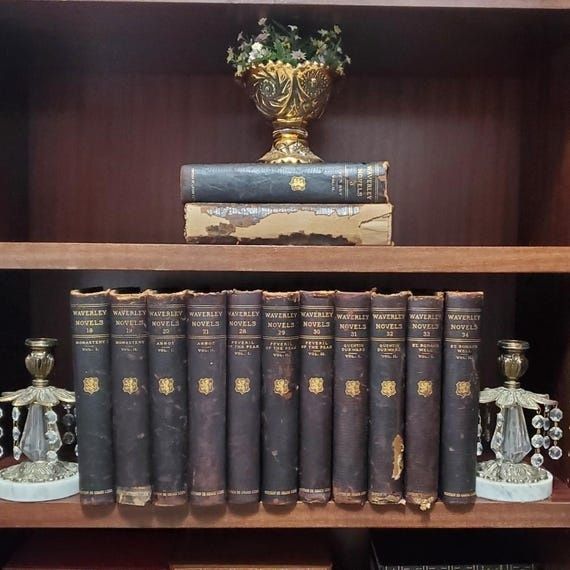
Tightly packed shelves create stagnant pockets where moisture and heat linger. Books pressed hard against one another also experience mechanical stress when removed, and a damp volume can transfer mould or odour to its neighbours. Books should stand upright with enough support to remain vertical, but not so tightly that they cannot be withdrawn without dragging against adjacent spines.
For shelving, baked-enamel or powder-coated steel is a dependable choice because it is strong, cleanable, and relatively chemically stable. Sound, seasoned hardwood can also work when it is properly sealed and fully cured. Avoid freshly manufactured or strongly odorous materials that may release volatile compounds into a poorly ventilated enclosure. Backboards should not force books against a cold wall, and shelves should allow enough space for inspection and cleaning.
The following routine is deliberately simple. Its value comes from consistency rather than sophistication:
- Leave a small air gap between the rear of the books and the wall or backboard, especially on exterior walls.
- Keep books upright and supported, with modest breathing room at each end of a row.
- Leave practical clearance beneath the lowest shelf so a minor spill or floor dampness cannot immediately reach the collection.
- Inspect spines, top edges, and shelf corners every few months for dust, spotting, distortion, or odour.
- Dust with a soft, clean brush or a carefully controlled vacuum held away from the book surface, supporting fragile volumes while working.
- Move books temporarily only when necessary, and never pull a volume by its headcap or top edge of the spine.
Institutional advice can be translated into a calm domestic routine. Guidance on caring for books, including recommendations on shelving, handling, and stable enclosures, is available through the University of Chicago Library resource; access may first display a Verification Required prompt. The broader principle is straightforward: prevent stress, reduce dust, maintain stability, and identify change before it becomes damage.
Airflow does not mean directing a fan at the books. Strong moving air can dry exposed surfaces unevenly and spread loose mould spores. Instead, aim for gentle room circulation and avoid sealing shelves so tightly that air cannot move around them. When cleaning, open the surrounding area, remove dust carefully, and allow the shelf zone to return to normal conditions before replacing any volume that has been inspected.
Sensible Domestic Climate Management
A calibrated digital thermo-hygrometer is one of the most useful tools a private collector can own. Place one near the collection and, where the room has known cold spots, another at a different height or on the opposite side of the shelving. The purpose is not to react to every short-lived fluctuation. Record readings over days and weeks so that persistent seasonal patterns become visible.
In damp weather, a domestic dehumidifier can help, particularly in a basement or a room with recurring condensation. Use it gradually and monitor the result. Over-drying can make leather, parchment, vellum, and adhesives less flexible. Avoid placing the appliance so close that one section of the shelf experiences a sharp local change. During winter heating, humidification may sometimes be appropriate, but adding moisture without reliable measurement can create a mould problem. A steady moderate environment is safer than repeated swings between extremes.
- Choose a sensor with a stated accuracy suitable for household monitoring and check it periodically.
- Look for trends, especially repeated readings above 60% relative humidity or unusually dry winter conditions.
- Respond to the source of dampness, such as a leak, condensation, or poor ventilation, rather than relying only on an appliance.
- Keep books away from direct heat and sunlight, whose cumulative effects can accelerate fading and material deterioration.
- Use sealed archival boxes or phase-stable enclosures for especially fragile, rare, or already damaged books.
Enclosures provide a useful local buffer. A well-sized archival box or custom buckram enclosure reduces rapid changes and limits handling, while also protecting a deteriorating binding from abrasion. It is not a licence to store books in a damp cupboard: an enclosure can slow environmental change, but it cannot correct persistent high humidity. Inspect boxed books periodically and ensure the materials used are stable and free from strong odours.
The Canadian Conservation Institute”s basic book-care guidance also stresses that books are composite objects. A single volume may contain leather, paper, cloth, wood, metal, and several adhesives, all responding differently to moisture. That is why broad household rules are preferable to aggressive treatment. Do not apply leather dressing to red-rot leather, do not wet parchment, and seek professional advice before attempting repairs on historically important bindings.
Cultivating a Resilient Haven for Your Library
Domestic preservation is less about mechanical perfection than steady vigilance. A reasonably stable interior room, sensible shelving, gentle airflow, and passive humidity records can prevent many of the conditions that lead to mould and structural decay. The essential habit is to notice gradual change: a new musty smell, a sticky cloth surface, a powdering leather spine, or a shelf corner that feels colder and damper than the rest of the room.
A seasonal review can remain brief and manageable:
- Check recorded humidity trends before and after the dampest and driest parts of the year.
- Inspect exterior-wall shelves, floor-level areas, and boxed volumes.
- Look for mould, red-rot powder, warped boards, lifted cloth, and loose joints.
- Dust shelves gently and confirm that books are neither compressed nor leaning.
- Address leaks, condensation, and heating changes promptly.
- Refer valuable or actively deteriorating books to a qualified conservator.
Books do not need a fortress to survive. They need a thoughtful microclimate, restrained handling, and an owner willing to observe rather than over-treat. With those measures in place, a home library can offer the quiet continuity its bindings deserve, preserving both the physical pleasure of the books and their historical character for generations.